
4.8(2500+)
GUIDED TOUR OF THE ALCAZABA AND ROMAN THEATRE
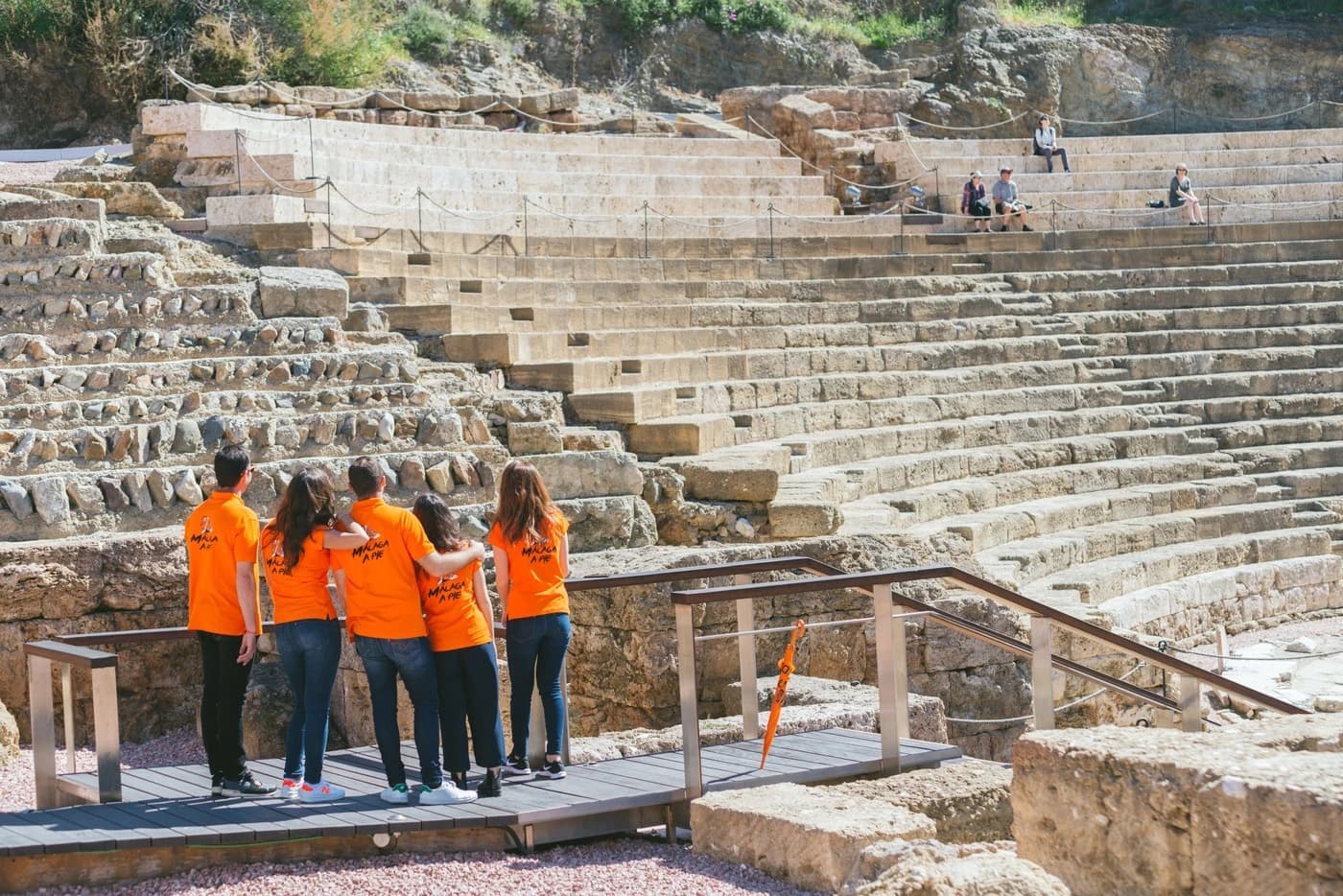
A guided route covering the Malaga Alcazaba and the Roman Theatre in one single tour, with commentary throughout the itinerary.
1 h 30 min
From
20€
Book your Malaga Alcazaba tickets and choose the option that best fits your visit.
Book your Malaga Alcazaba tickets and choose the option that best fits your visit, whether you prefer to explore the monument on your own or join a guided tour of the Alcazaba and the Roman Theatre. Here you can check access options, schedules and tour types to plan ahead one of the most important stops in Malaga's historic centre.
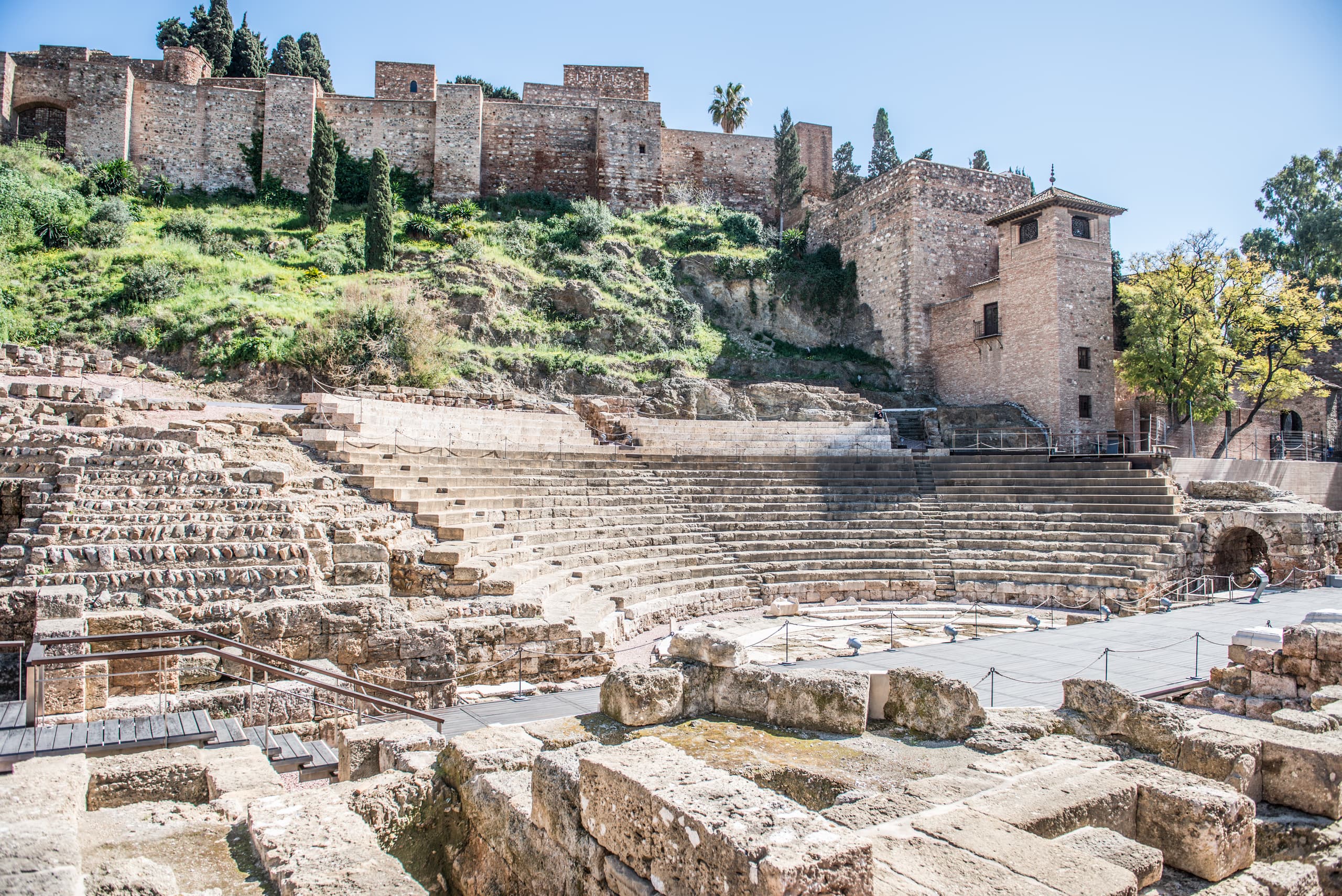
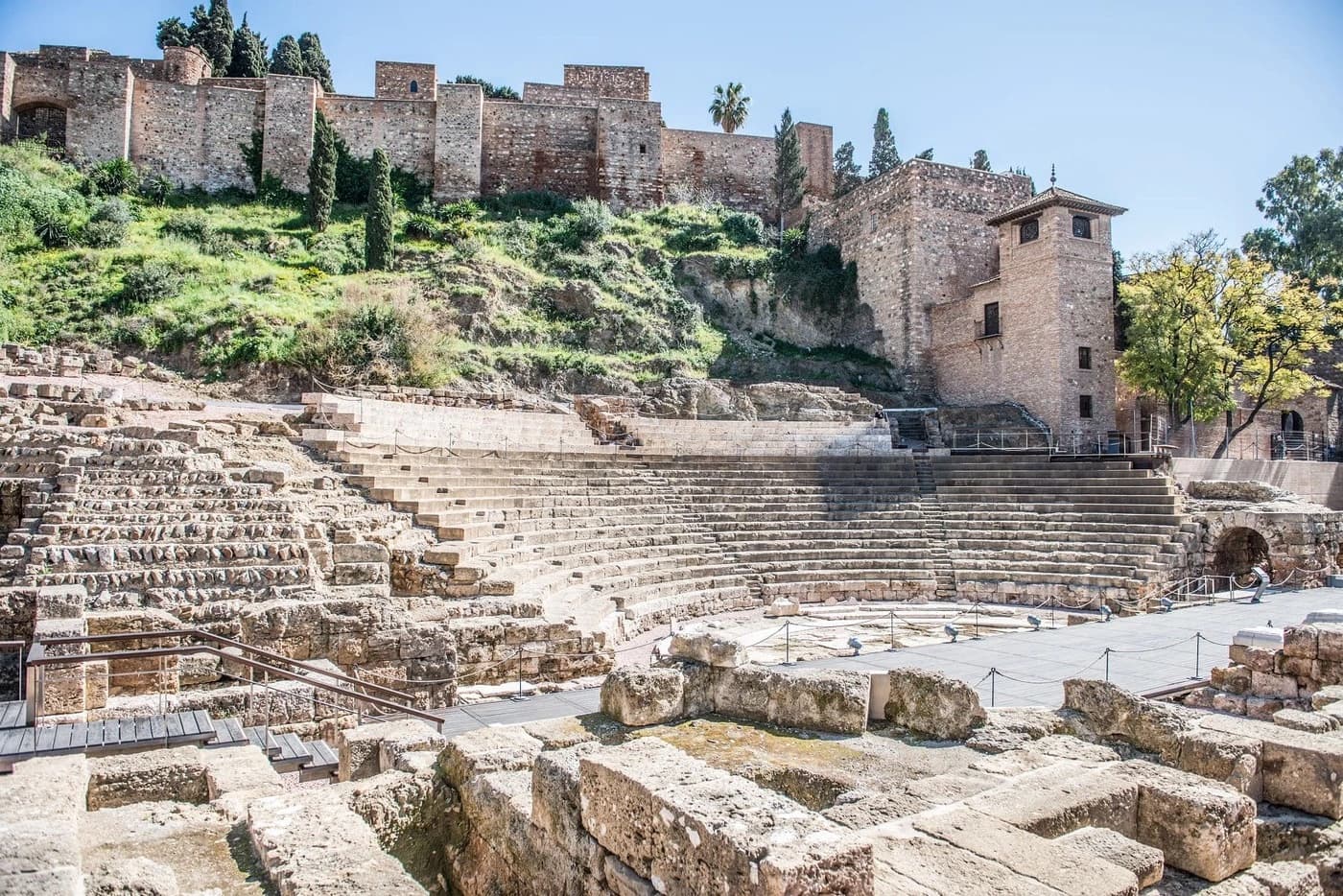
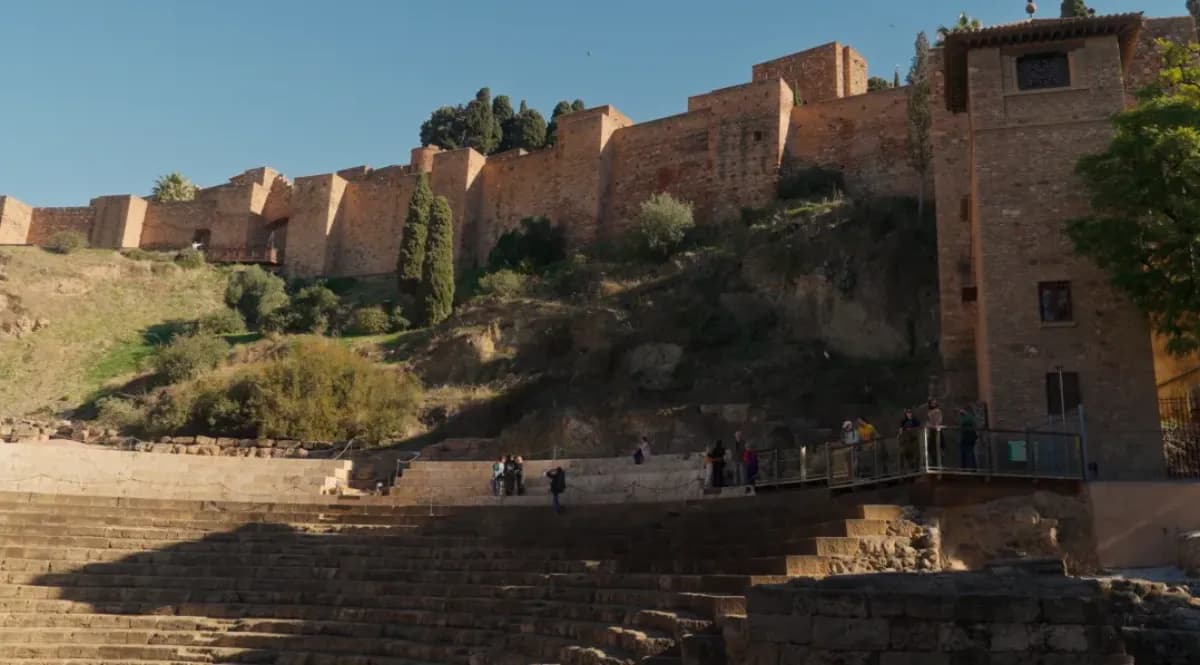
Malaga's Alcazaba sits next to the Roman Theatre on the slope of Mount Gibralfaro, in a spot that helps explain much of the city's history. Its layout combines fortress and palace, with walls, courtyards and residential areas within one of Malaga's most recognisable monumental complexes.
Malaga's Alcazaba was not built as a single, isolated building, but as a space occupied and transformed over centuries on the slope of Mount Gibralfaro. Its name, al-Qasba, is linked to the idea of an urban stronghold, and its position explains why the area had already been settled by Phoenicians and Romans before the Islamic period. During that era, the Alcazaba first took shape as a fortification and later as a fortress-palace, the seat of the city's government.
Over the centuries, the complex gained walls, gates, palace spaces and residential areas, gradually becoming a small palatial city with defensive, administrative and residential functions. The Taifa period marked the start of the major defensive works, and under Nasrid rule the Alcazaba reached a more complex layout, further protected by Gibralfaro Castle and La Coracha passage. Later, under Christian rule and in the following centuries, the complex changed use, went through periods of neglect, and did not begin its decisive recovery until the 20th century.
3 ways to visit Malaga's Alcazaba: with a guided tour, on a free tour, or as part of the full Malaga tour with tickets included.
A guided route covering the Malaga Alcazaba and the Roman Theatre in one single tour, with commentary throughout the itinerary.
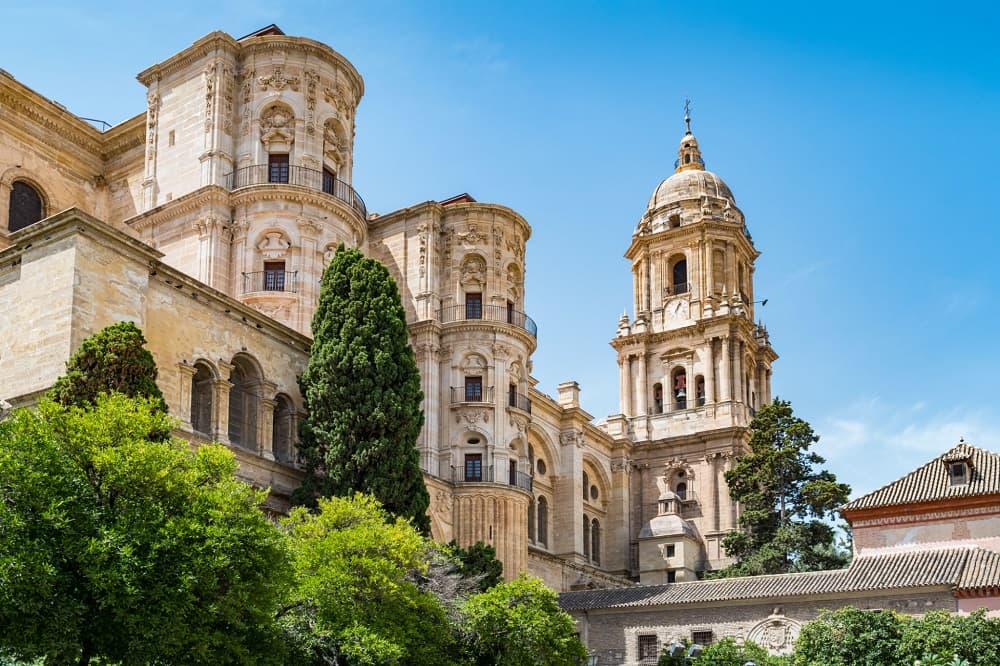
A broader tour of Malaga with tickets included, designed for those who want to round off the experience with other key spots in the city beyond the Alcazaba area.
These are the ways to access the monument. We manage the guided tour; the general admission ticket and the combined ticket with Gibralfaro Castle are issued directly by Malaga City Council through its own box office and official website.
€20.00
A guided tour of the Alcazaba and the Roman Theatre with commentary throughout the visit. This is the option you book here, with the ticket included and instant confirmation.
€7.00
Access to Malaga's Alcazaba to explore the monument at your own pace within public visiting hours. It is managed directly through the City Council's box office or official website.
€10.00
A combined ticket to visit both the Alcazaba and Gibralfaro Castle in a single purchase. This is also managed directly by the monument itself.
If you'd rather have your visit organised in advance with a guide, the option we manage is the one you can book directly right here below.
MALAGA'S ALCAZABA THROUGH THE CENTURIES
The Alcazaba is already mentioned in the Emirate period as a fortress, and the construction of a mosque is ordered inside it.
The start of the Taifa period in Malaga, credited with the first major works on the wall and the transformation of the site into the seat of local power.
Badis, king of the Zirid Taifa of Granada, takes Malaga and strengthens the Alcazaba with new fortifications and a double wall.
During the Nasrid period, under Yusuf I and Muhammad V, the Alcazaba is consolidated as a fortress-palace and centre of government, further protected by Gibralfaro Castle.
The restoration works begin, marking the start of the monument's modern recovery.
One of the elements that best helps you understand Malaga's Alcazaba from the start is its defensive access system. Before entering the inner enclosures, the visit passes through a set of walls and gates designed to make entry from the city difficult. This area features landmarks such as the Torre Albarrana, the Vaulted Dome Gate (Puerta de la Bóveda Vaída), the Gate of the Columns and the Christ's Gate, part of the initial route that clearly explains the complex's military character.
During the tour, it's also worth paying attention to the lower enclosure, where remains of the so-called residential quarter are preserved. This area shows that the Alcazaba worked not only as a fortress, but also as a space inhabited by people linked to the court or to palace service. Official records place houses, a bathhouse and a cistern here, helping visitors read the Alcazaba as a small palatial city with a life of its own.
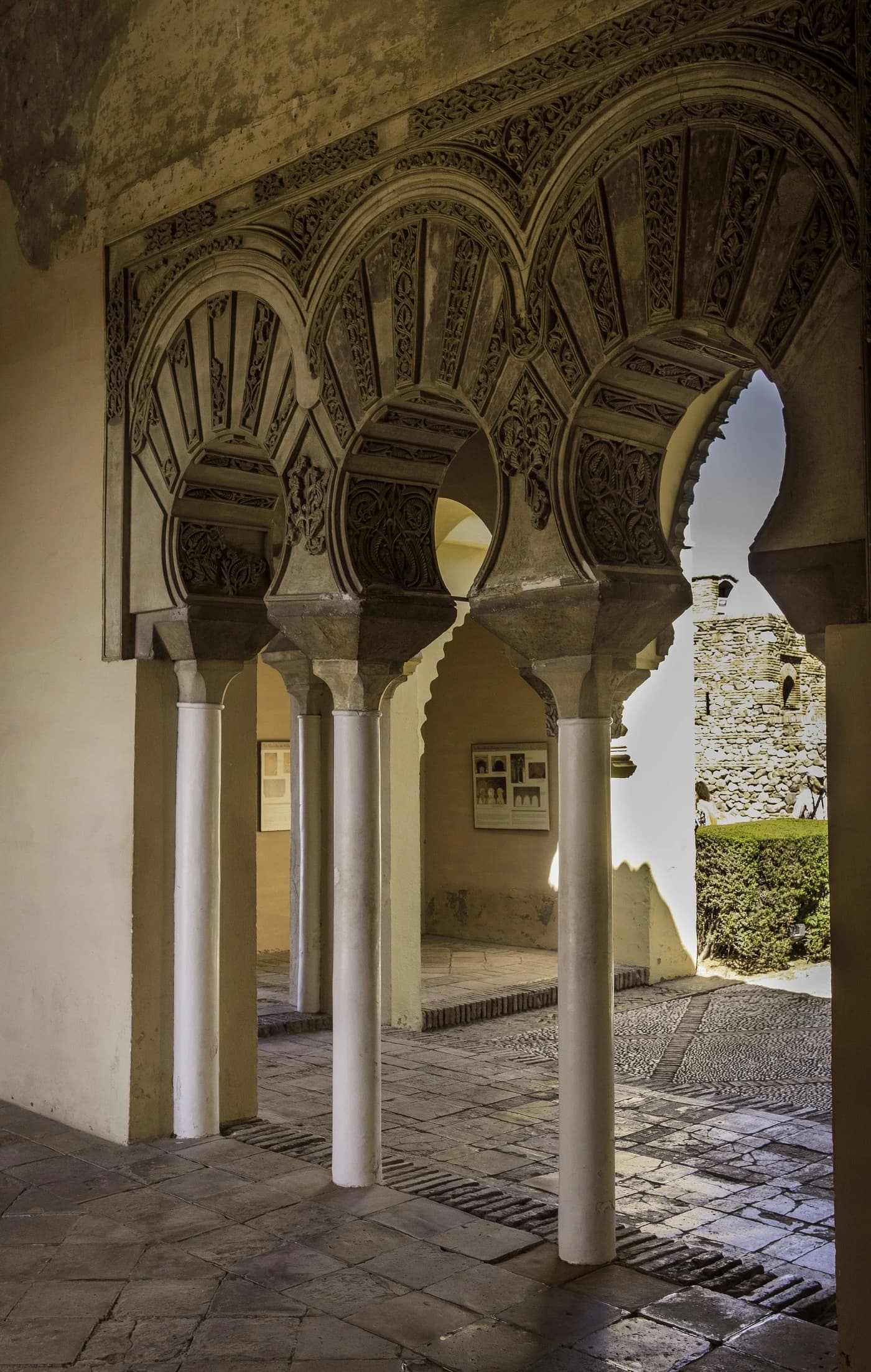
Another important part of the visit lies in the palace area. The Taifa Palace preserves elements marking one of the complex's key periods, while the Nasrid Palace arranges the route around courtyards and residential spaces that show how the Alcazaba grew more complex as a seat of the city's power. This part of the monument most clearly reveals its evolution from fortress to fortress-palace.
In the upper part of the route are spaces that reinforce the defensive character of the complex, such as the Keep Tower (Torre del Homenaje), located at the upper end of the enclosure and linked to protecting the palace area, and the Parade Ground (Plaza de Armas), which today serves as a landscaped esplanade and helps you better understand the layout of the upper enclosure. From this area you can also see the relationship between the Alcazaba, Mount Gibralfaro and the city's historic line of defence.
The visit gains even more meaning through its direct connection with the Roman Theatre, built in the 1st century on the western slope of the mountain. The Alcazaba's own historical records explain that some of the Roman materials were reused in various parts of the fortress, and that overlap of periods is one of the keys to the complex. That's why exploring the Alcazaba and the area around the Roman Theatre helps you better understand how Malaga changed over time.
If you already know the date of your visit, here you can arrange your ticket to Malaga's Alcazaba or choose one of the available options for touring the monument, such as the guided tour of the Alcazaba and Roman Theatre or the full Malaga tour with tickets included.
Get the best offers and news